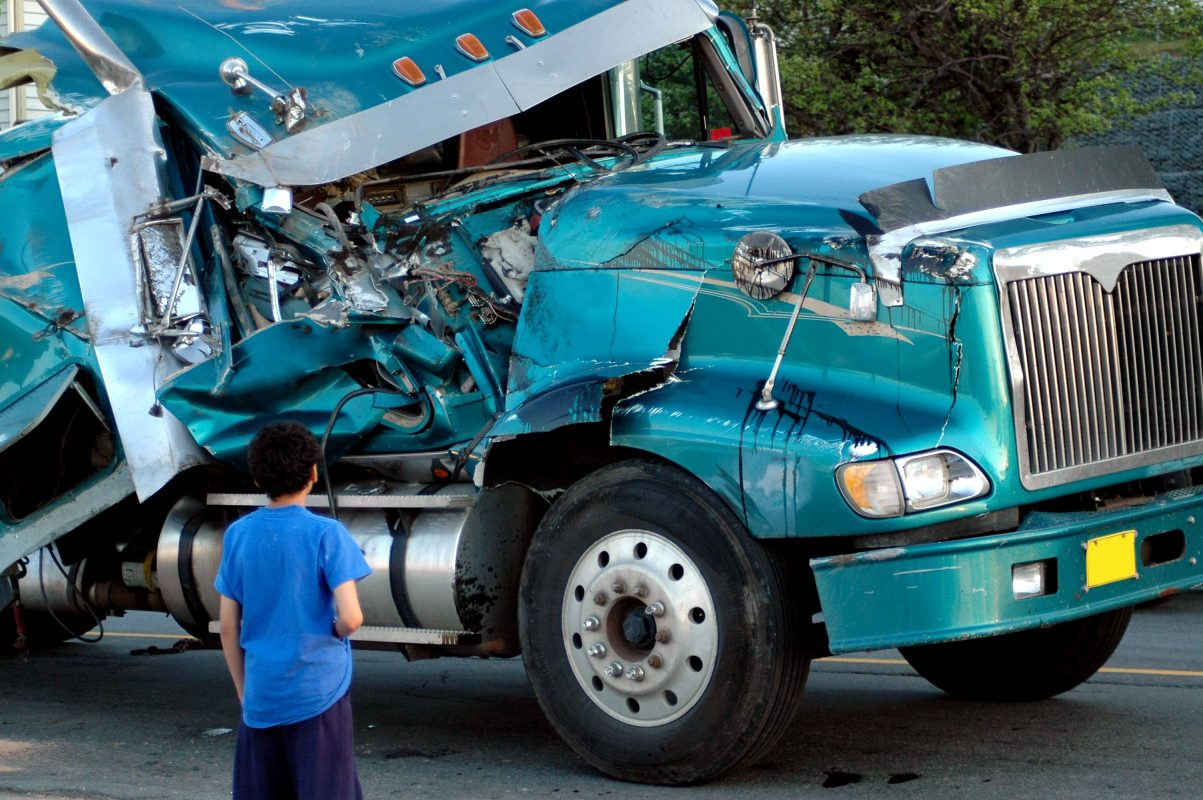
Accidents involving 18-wheelers, or large commercial trucks, can cause significant damage and severe injuries. Determining liability in these accidents is crucial for securing compensation for victims. Understanding the factors that contribute to liability and the legal processes involved can help victims navigate their claims more effectively. This guide provides an in-depth look at how liability is established in 18-wheeler accidents.
Key Factors in Establishing Liability
Driver Negligence
Fatigue and Hours of Service Violations
Truck drivers are subject to hours of service (HOS) regulations designed to prevent fatigue-related accidents. Violations of these regulations can be a key factor in establishing driver negligence.
Example: A truck driver exceeds the maximum allowed driving hours without taking the required rest breaks, leading to fatigue and a subsequent accident.
Distracted Driving
Distracted driving, such as texting, eating, or using a GPS, can divert a driver’s attention from the road and result in accidents.
Example: A truck driver checks their phone while driving and fails to notice slowing traffic, causing a rear-end collision.
Impaired Driving
Driving under the influence of alcohol or drugs impairs a driver’s ability to operate a vehicle safely, increasing the risk of accidents.
Example: A truck driver is found to be over the legal alcohol limit after causing an accident.
Speeding and Reckless Driving
Speeding and other forms of reckless driving, such as aggressive lane changes and tailgating, can lead to serious accidents.
Example: A truck driver speeds in adverse weather conditions, losing control of the vehicle and causing a multi-vehicle crash.
Mechanical Failures and Maintenance Issues
Brake Failure
Brake failure can occur due to poor maintenance, worn brake pads, or manufacturing defects. Proper maintenance is essential for preventing such failures.
Example: An investigation reveals that the trucking company failed to perform regular brake maintenance, leading to a brake failure and subsequent accident.
Tire Blowouts
Tire blowouts can result from improper maintenance, overloading, or defective tires. A sudden blowout can cause the driver to lose control of the truck.
Example: A truck’s tire blows out due to excessive wear, causing the vehicle to swerve and collide with another car.
Steering and Suspension Problems
Issues with the steering or suspension systems can make it difficult for the driver to control the truck, especially at high speeds or in adverse weather conditions.
Example: A truck with a faulty steering mechanism veers into oncoming traffic, causing a head-on collision.
Cargo-Related Issues
Overloading
Overloading a truck beyond its weight limits can affect its balance and handling, increasing the risk of rollovers and loss of control.
Example: An overloaded truck tips over while navigating a sharp turn, blocking multiple lanes of traffic and causing a pileup.
Improperly Secured Cargo
Cargo that is not properly secured can shift during transit, affecting the truck’s stability and handling.
Example: Improperly secured cargo shifts during a sudden stop, causing the truck to jackknife and collide with other vehicles.
Third-Party Liability
Trucking Company
The trucking company can be held liable for accidents caused by their drivers or their maintenance practices. This includes hiring unqualified drivers, failing to enforce HOS regulations, and neglecting vehicle maintenance.
Example: A trucking company is found liable for an accident after an investigation reveals they did not perform mandatory background checks on their drivers.
Cargo Loaders
Companies responsible for loading cargo onto trucks can be held liable if improper loading or securing of cargo leads to an accident.
Example: A cargo loading company is found liable after an investigation reveals that they failed to secure heavy equipment properly, causing it to shift and destabilize the truck.
Truck Manufacturers
If an accident is caused by a defect in the truck or its components, the manufacturer can be held liable.
Example: A truck manufacturer is sued after a defect in the steering system is found to have caused an accident.
Legal Process for Establishing Liability
Investigation and Evidence Gathering
Accident Scene Investigation
A thorough investigation of the accident scene is essential. This includes documenting skid marks, vehicle positions, and road conditions.
Example: Accident reconstruction experts analyze the scene to determine the sequence of events leading up to the crash.
Collecting Driver Logs and Records
Driver logs, electronic logging device (ELD) data, and maintenance records can provide crucial evidence of HOS violations, maintenance issues, and driver behavior.
Example: ELD data shows that the driver exceeded the legal driving hours without taking required breaks.
Witness Statements
Statements from witnesses can provide valuable insights into how the accident occurred and who may be at fault.
Example: Witnesses report seeing the truck driver swerving and driving erratically before the accident.
Expert Testimony
Experts in accident reconstruction, vehicle mechanics, and other relevant fields can provide testimony to support the case.
Example: An accident reconstruction expert testifies that the accident was caused by brake failure due to poor maintenance.
Filing a Claim
Determining the Responsible Parties
Identifying all parties responsible for the accident is crucial. This can include the truck driver, trucking company, cargo loaders, and manufacturers.
Example: A claim is filed against the truck driver, the trucking company for failing to maintain the vehicle, and the cargo loading company for improperly securing the load.
Negotiating with Insurance Companies
Insurance companies representing the responsible parties may try to minimize payouts. Negotiating a fair settlement requires strong evidence and legal expertise.
Example: The victim’s lawyer negotiates with the trucking company’s insurance provider to secure compensation for medical expenses, lost wages, and pain and suffering.
Filing a Lawsuit
If a fair settlement cannot be reached, filing a lawsuit may be necessary. This involves drafting and submitting a legal complaint to the appropriate court.
Example: A lawsuit is filed against the trucking company and other responsible parties after failed settlement negotiations.
Compensation in 18 Wheeler Accident Cases
Medical Expenses
Compensation can cover current and future medical expenses related to the accident, including hospital bills, surgeries, rehabilitation, and medications.
Lost Wages
Victims can receive compensation for lost wages due to the inability to work following the accident. This includes future earning capacity if the injuries result in long-term or permanent disability.
Pain and Suffering
Damages for pain and suffering compensate for the physical and emotional distress caused by the accident and resulting injuries.
Property Damage
Compensation can cover the repair or replacement of damaged property, including vehicles.
Loss of Consortium
In some cases, family members may be compensated for the loss of companionship and support resulting from the victim’s injuries.
Frequently Asked Questions (FAQs)
What Should I Do Immediately After an 18-Wheeler Accident?
Seek medical attention, document the accident scene, gather witness information, and report the accident to the authorities. Consult with a lawyer as soon as possible.
Can I Sue Multiple Parties for an 18-Wheeler Accident?
Yes, you can sue multiple parties if they are all found to be responsible for the accident. This can include the truck driver, trucking company, cargo loaders, and truck manufacturers.
How Long Do I Have to File a Lawsuit After an 18-Wheeler Accident?
The statute of limitations for filing a lawsuit varies by state but typically ranges from one to three years. Consult with a lawyer to ensure your claim is filed within the required timeframe.
What Compensation Can I Receive for an 18-Wheeler Accident?
Compensation can cover medical expenses, lost wages, pain and suffering, property damage, and loss of consortium. The amount depends on the specifics of your case and the extent of your injuries and damages.
How Can a Lawyer Help Me After an 18-Wheeler Accident?
A lawyer can help gather evidence, identify responsible parties, negotiate with insurance companies, and represent you in court to ensure you receive the compensation you deserve.
For more information, visit legal.lostplanetscan.com or contact us at legal@lostplanetscan.com.