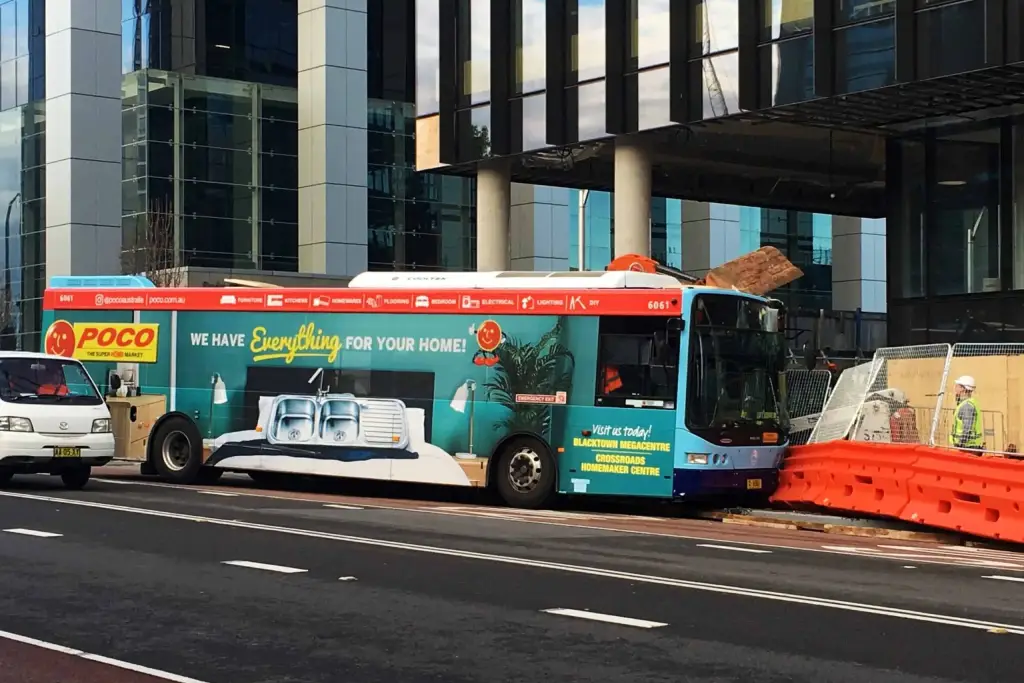
Accidents involving public transportation can be complex and challenging to navigate due to the involvement of multiple parties, including government entities, private contractors, and insurance companies. The role of accident lawyers in such cases is crucial to ensuring that victims receive fair compensation for their injuries and losses. This article explores the common causes of public transportation accidents, immediate steps to take following an incident, how to choose the right lawyer, and the legal procedures involved in filing a personal injury claim.
Overview of Common Causes of Public Transportation Accidents
Public transportation accidents can occur for various reasons, often involving the negligence of operators or the failure of transportation systems. Common causes include:
- Operator Error: Mistakes made by bus drivers, train conductors, or other operators can lead to accidents.
- Mechanical Failures: Poor maintenance or defective parts can cause vehicle malfunctions.
- Poor Road or Track Conditions: Hazards such as potholes, debris, or faulty tracks can contribute to accidents.
- Inadequate Training: Operators who lack proper training may not handle emergency situations effectively.
- Overcrowding: Excessive passengers can lead to unsafe conditions and increase the risk of accidents.
- Weather Conditions: Adverse weather such as rain, fog, or ice can create hazardous driving conditions.
- Negligent Third Parties: Accidents caused by the actions of other drivers or pedestrians.
Steps to Take Immediately After a Public Transportation Accident
The steps you take immediately after a public transportation accident can significantly impact the outcome of your claim. Here are the crucial steps to follow:
- Ensure Safety: Move to a safe location if possible and check for injuries.
- Call Emergency Services: Report the accident to the police and request medical assistance.
- Document the Scene: Take photographs and videos of the accident scene, the public transportation vehicle, any visible injuries, and the surrounding environment.
- Gather Information: Collect contact details from witnesses, other passengers, and involved parties. Note the vehicle’s identification number and the operator’s details.
- Seek Medical Attention: Even if injuries seem minor, it’s essential to get a medical evaluation to document your condition.
- Report the Accident: Notify the public transportation authority or company about the incident.
- Consult a Lawyer: Contact a personal injury lawyer experienced in public transportation accidents to discuss your case.
How to Choose the Right Lawyer for Public Transportation Accident Cases
Selecting the right lawyer is critical to the success of your claim. Here’s how to choose the right attorney:
- Specialization: Ensure the lawyer specializes in personal injury law and has experience with public transportation accident cases.
- Experience: Look for a lawyer with a proven track record of handling similar cases successfully.
- Reputation: Research the lawyer’s reputation through client testimonials, reviews, and professional accolades.
- Communication: Choose a lawyer who communicates clearly, keeps you informed, and is responsive to your questions.
- Consultation: Take advantage of free initial consultations to discuss your case and evaluate if the lawyer is a good fit for you.
- Fee Structure: Understand the lawyer’s fee arrangement, typically contingency-based, meaning they get paid only if you win your case.
Explanation of Legal Procedures in Public Transportation Accident Cases
Filing a personal injury claim for a public transportation accident involves several legal procedures. Here’s an overview of the process:
- Initial Consultation: Meet with your lawyer to discuss the details of the accident and assess the viability of your claim.
- Investigation: Your lawyer will conduct a thorough investigation, gathering evidence such as accident reports, medical records, witness statements, and expert opinions.
- Claim Against Government Entity: If a government entity is involved, specific procedures and shorter deadlines apply for filing a claim.
- Demand Letter: Your lawyer will draft a demand letter to the responsible party’s insurance company, outlining your injuries, treatments, and compensation sought.
- Negotiation: Your lawyer will negotiate with the insurance company to reach a fair settlement.
- Filing a Lawsuit: If a fair settlement cannot be reached, your lawyer will file a lawsuit on your behalf.
- Discovery: Both parties exchange information through depositions, interrogatories, and document requests.
- Mediation and Settlement: Many cases are resolved through mediation, where a neutral mediator helps facilitate a settlement.
- Trial: If mediation fails, the case proceeds to trial. Your lawyer will present evidence and argue your case before a judge or jury.
- Appeal: If the trial’s outcome is unsatisfactory, either party may appeal the decision.
Accidents involving public transportation in Irvine can have serious consequences, and navigating the legal complexities of these cases requires specialized knowledge and experience. Understanding the common causes of such accidents, taking immediate steps to protect your rights, choosing the right lawyer, and following the legal procedures can significantly enhance your chances of obtaining fair compensation. If you or a loved one has been involved in a public transportation accident, seeking legal counsel promptly is essential to navigate the complexities of the legal system and secure the compensation needed for recovery.
By following these guidelines and working with an experienced attorney, you can pursue the compensation you deserve for your injuries and begin the process of recovery.