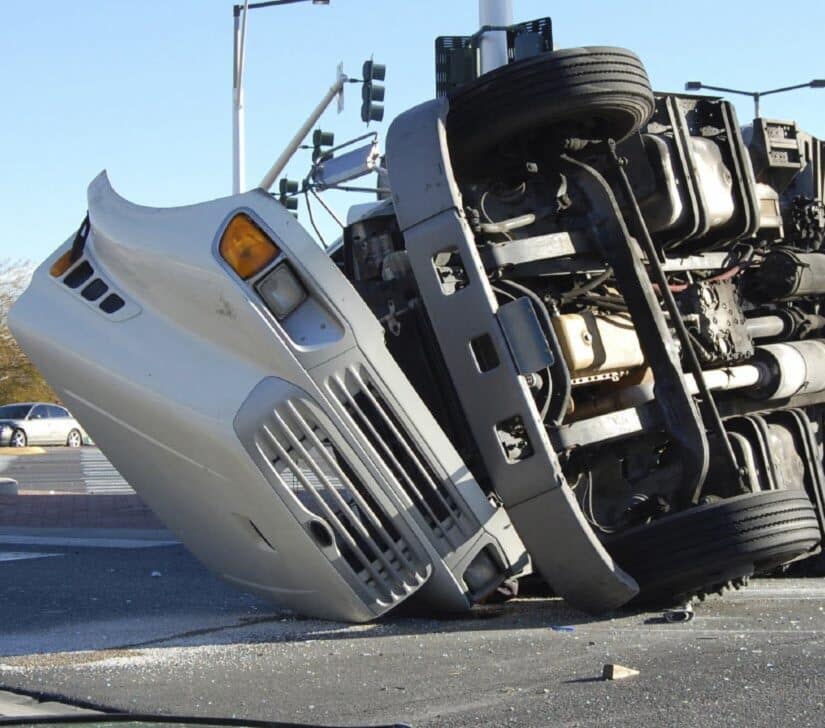
Accidents involving 18-wheelers, or large commercial trucks, are often severe and can result in significant injuries or fatalities. Understanding the common causes of these accidents can help in prevention and can be crucial in legal cases to establish liability. This guide explores the most frequent causes of 18-wheeler accidents, how they occur, and their potential impact.
Driver-Related Causes
Driver Fatigue
Truck drivers often work long hours, which can lead to fatigue. Fatigue impairs reaction time, decision-making, and overall driving ability, increasing the likelihood of an accident.
Example: A truck driver falls asleep at the wheel after driving for 14 hours straight, causing the truck to veer off the road and collide with another vehicle.
Distracted Driving
Distracted driving includes activities such as texting, eating, or using a GPS while driving. These distractions can divert the driver’s attention from the road, leading to accidents.
Example: A truck driver checks their phone for a text message and doesn’t notice the traffic slowing down ahead, resulting in a rear-end collision.
Impaired Driving
Driving under the influence of alcohol or drugs significantly impairs a driver’s ability to operate a vehicle safely. This can lead to poor judgment, reduced reaction times, and accidents.
Example: A truck driver consumes alcohol before a trip and loses control of the vehicle, causing a multi-car pileup on the highway.
Inexperience
Inexperienced truck drivers may lack the skills and knowledge necessary to handle large vehicles safely. This can result in poor decision-making and increased accident risk.
Example: A newly licensed truck driver misjudges the stopping distance required for an 18-wheeler, causing a collision at an intersection.
Mechanical and Maintenance Issues
Brake Failure
Brake failure can occur due to poor maintenance, worn brake pads, or manufacturing defects. Given the weight of 18-wheelers, brake failure can lead to catastrophic accidents.
Example: A truck’s brakes fail while descending a steep hill, causing it to crash into multiple vehicles at the bottom.
Tire Blowouts
Tire blowouts can result from improper maintenance, overloading, or defective tires. A sudden blowout can cause the driver to lose control of the truck.
Example: An overloaded truck experiences a tire blowout on the highway, leading to a rollover accident.
Steering and Suspension Issues
Problems with the steering or suspension system can make it difficult for the driver to control the vehicle, especially at high speeds or in adverse weather conditions.
Example: A truck with faulty steering veers into the opposite lane, causing a head-on collision with another vehicle.
Overloading and Improper Loading
Overloading a truck or improperly securing cargo can affect the vehicle’s balance and handling. This can lead to rollovers, jackknifing, and loss of control.
Example: A truck carrying an overloaded and unbalanced cargo tips over while navigating a sharp turn, blocking multiple lanes of traffic.
Environmental Factors
Adverse Weather Conditions
Rain, snow, fog, and ice can create hazardous driving conditions. Reduced visibility and slippery roads increase the likelihood of accidents involving 18-wheelers.
Example: A truck skids on an icy road, causing a multi-vehicle collision.
Poor Road Conditions
Potholes, uneven surfaces, and lack of proper signage can contribute to accidents. Large trucks are particularly susceptible to damage from poor road conditions.
Example: A truck hits a large pothole, causing the driver to lose control and crash into the median.
Other Factors
Speeding
Speeding reduces a driver’s ability to react to sudden changes in traffic conditions and increases the severity of accidents. Trucks require longer distances to stop, making speeding particularly dangerous.
Example: A speeding truck is unable to stop in time for a red light, colliding with several vehicles in the intersection.
Tailgating
Tailgating, or following another vehicle too closely, can lead to rear-end collisions, especially if the vehicle in front stops suddenly.
Example: A truck driver tailgates a car on the highway, and when the car slows down unexpectedly, the truck rear-ends it.
Failure to Follow Traffic Laws
Violations of traffic laws, such as running red lights, illegal lane changes, and failing to yield, can cause accidents.
Example: A truck driver runs a red light and crashes into a car that is legally entering the intersection.
Preventing 18-Wheeler Accidents
Regular Maintenance
Ensuring regular maintenance checks and addressing any mechanical issues promptly can prevent many accidents. This includes checking brakes, tires, steering, and suspension systems.
Example: Routine inspections by a certified mechanic can identify and fix potential issues before they lead to accidents.
Proper Training
Providing comprehensive training for truck drivers can improve their skills and knowledge, reducing the likelihood of accidents. This includes training on handling large vehicles, understanding regulations, and defensive driving techniques.
Example: A trucking company implements an advanced training program that includes simulated driving scenarios to prepare drivers for real-world challenges.
Adherence to Hours of Service Regulations
Following the FMCSA’s hours of service regulations helps prevent driver fatigue by limiting the number of hours a driver can operate without rest.
Example: A company strictly enforces a policy that requires drivers to take mandatory breaks and limits their driving hours to comply with federal regulations.
Use of Technology
Technology such as electronic logging devices (ELDs), collision avoidance systems, and onboard cameras can help monitor driver behavior, ensure compliance with regulations, and prevent accidents.
Example: A trucking company equips its fleet with ELDs and collision avoidance systems to monitor driving hours and alert drivers of potential hazards.
Safe Driving Practices
Encouraging safe driving practices, such as maintaining safe speeds, avoiding distractions, and keeping a safe following distance, can reduce the risk of accidents.
Example: Implementing a company-wide safety program that rewards drivers for demonstrating safe driving behaviors.
Frequently Asked Questions (FAQs)
What Should I Do If I Am Involved in an 18-Wheeler Accident?
Seek immediate medical attention, document the scene with photos and notes, gather contact information from witnesses, and consult with an experienced truck accident lawyer.
Can I Sue the Trucking Company for an Accident?
Yes, if the trucking company is found to be negligent in its hiring practices, maintenance of the vehicle, or adherence to safety regulations, you may have grounds to sue.
How Can I Prove Negligence in an 18-Wheeler Accident?
Proving negligence involves gathering evidence such as driver logs, maintenance records, witness statements, and expert testimony to demonstrate that the truck driver or trucking company failed to uphold their duty of care.
What Compensation Can I Receive After an 18-Wheeler Accident?
Compensation can cover medical expenses, lost wages, pain and suffering, and property damage. The amount varies based on the specifics of the case.
How Long Do I Have to File a Claim After an 18-Wheeler Accident?
The statute of limitations for filing a claim varies by state but typically ranges from one to three years. It’s important to consult with a lawyer as soon as possible to ensure timely filing.