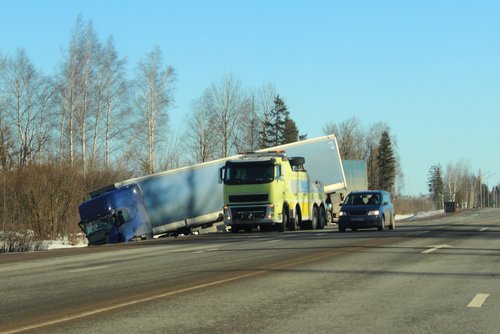
Truck accidents can lead to severe injuries and significant financial burdens for the victims. When such accidents occur, the compensation process can be complex, varying significantly from state to state within the US. Understanding these differences is crucial for victims seeking fair compensation. This article delves into the variations in truck accident compensation across different states, exploring the common causes of truck accidents, the immediate steps to take post-accident, choosing the right lawyer, and navigating legal procedures in each state.
Overview of Common Causes of Truck Accidents
Truck accidents can result from various factors, including but not limited to:
- Driver Fatigue: Long hours on the road can lead to driver exhaustion, a major cause of accidents.
- Mechanical Failures: Poorly maintained trucks can experience brake failures, tire blowouts, and other mechanical issues.
- Distracted Driving: Use of mobile phones or other distractions while driving.
- Weather Conditions: Adverse weather like rain, snow, or fog can increase the likelihood of accidents.
- Overloading: Trucks carrying more weight than allowed can become difficult to control, leading to accidents.
Steps to Take Immediately After a Truck Accident
- Ensure Safety: Move to a safe location if possible and check for injuries.
- Call Emergency Services: Contact the police and emergency medical services.
- Gather Information: Collect details from the truck driver, witnesses, and take photos of the scene.
- Seek Medical Attention: Even if injuries seem minor, getting a medical evaluation is crucial.
- Report the Accident: Notify your insurance company about the accident.
- Consult a Lawyer: Seek legal advice to understand your rights and the compensation process.
How to Choose the Right Lawyer for Truck Accident Cases
Selecting the right lawyer can significantly impact the outcome of your case. Consider the following:
- Experience: Look for lawyers with extensive experience in handling truck accident cases.
- Reputation: Check reviews, testimonials, and ask for references.
- Success Rate: Inquire about their track record in securing fair compensation for clients.
- Communication: Ensure they communicate clearly and keep you informed throughout the process.
- Fees: Understand their fee structure and ensure it aligns with your budget.
Explanation of Legal Procedures in Truck Accident Complaints
The legal procedures for truck accident complaints can vary by state, encompassing several steps:
Filing a Claim
- Statute of Limitations: Each state has a specific timeframe within which you must file your claim. For example, California allows two years, while Kentucky provides up to one year.
- Reporting Requirements: Some states require immediate reporting to specific agencies, while others have more lenient timelines.
Comparative Fault Rules
- Pure Comparative Fault: States like California allow victims to recover compensation even if they are 99% at fault, though their compensation is reduced by their fault percentage.
- Modified Comparative Fault: States like Texas follow a 51% rule, where victims can only recover if they are less than 51% at fault.
- Contributory Negligence: States like Alabama bar any compensation if the victim is found to be even 1% at fault.
No-Fault vs. At-Fault States
- No-Fault States: States like Florida require victims to seek compensation from their own insurance first, regardless of fault.
- At-Fault States: Most states, including New York, allow victims to directly pursue compensation from the at-fault party’s insurance.
Damage Caps
- Economic Damages: These include medical bills, lost wages, and other tangible losses. States generally do not cap economic damages.
- Non-Economic Damages: Pain and suffering, emotional distress, and other intangible losses may have caps in states like Colorado.
- Punitive Damages: Meant to punish the defendant, some states like Texas cap these at two times the amount of economic damages plus the amount equal to non-economic damages (up to $750,000).
Navigating the complexities of truck accident compensation requires an understanding of state-specific laws and procedures. From the immediate steps following an accident to choosing the right lawyer and comprehending the legal intricacies, every detail matters. Victims must act promptly and wisely to secure the compensation they deserve.
If you or a loved one has been involved in a truck accident, it’s crucial to consult with a qualified attorney who understands the specific laws in your state. Contact us at legal.lostplanetscan.com or email us at legal.lostplanetscan.com for expert legal advice and support.
By understanding these variations and taking the necessary steps, victims can navigate the complex landscape of truck accident compensation and secure the justice they deserve.